

Most payroll audits, penalties, and compliance failures do not come out of nowhere. They often start as small, manageable issues that go unnoticed until they trigger costly consequences. Leaders may assume payroll problems are unavoidable, yet the reality is that many of these risks build slowly through outdated assumptions, fragmented processes, or a lack of visibility. Forward-thinking organizations now rely on human resource management specialists in Colorado Springs to identify vulnerabilities early and prevent problems before they escalate. HR risk mapping offers a proactive way to maintain control, reduce exposure, and protect both employees and the business.
What Is HR Risk Mapping and How It Applies to Payroll and Compliance
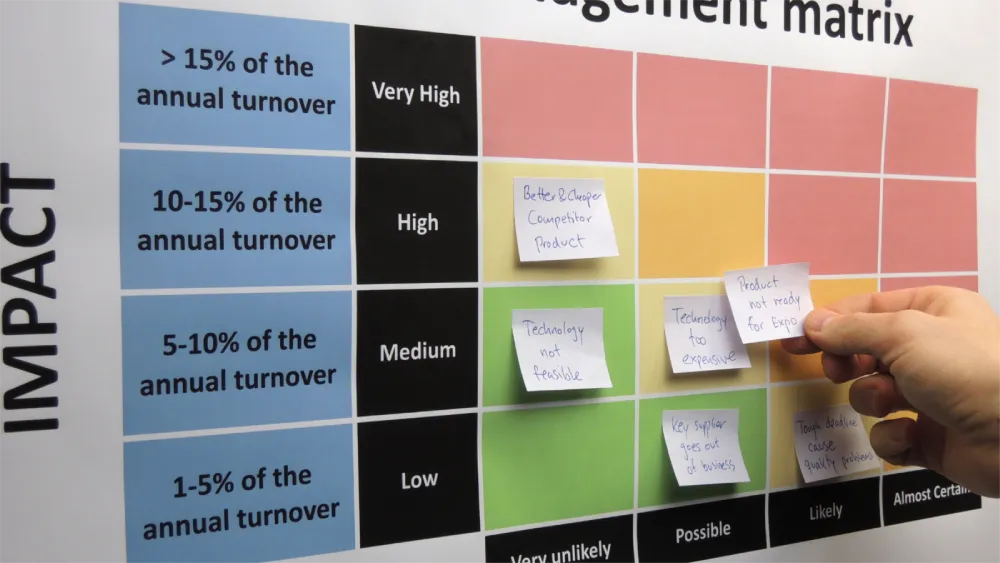
HR risk mapping is the process of identifying, documenting, and monitoring areas within HR and payroll workflows where errors are most likely to occur. Rather than reacting to mistakes after they happen, risk mapping helps you visualize where breakdowns may develop over time. This approach examines how employee data flows from onboarding to payroll processing and through compliance reporting.
Unlike annual audits or static compliance checklists, HR risk mapping evolves alongside the organization. It requires continuous attention and adjustment as regulations change, teams grow, and work arrangements shift. By treating payroll as a living system instead of a fixed task, leaders gain the insight needed to manage risk proactively.
Why Payroll Is One of the Highest-Risk Areas in HR Operations
Payroll carries immediate financial and legal consequences when something goes wrong. Even a minor error in wage calculations or tax withholding can lead to penalties, employee disputes, or regulatory scrutiny. Payroll also depends on accurate input from timekeeping systems, benefits administration, and employee classification data, which increases the potential for misalignment.
Many human resource management specialists in Colorado Springs observe that payroll is often the first area where hidden risk surfaces. As organizations grow or adopt new work models, payroll systems that once worked smoothly may struggle to keep up. Without a clear understanding of where risks exist, small issues can compound into significant compliance challenges.
Common Payroll and Compliance Risk Zones HR Teams Overlook
Risk frequently develops in areas that appear routine. Employee misclassification, inconsistent time tracking, and outdated wage policies often persist unnoticed until an audit or complaint exposes them. Manual processes and disconnected systems increase exposure by relying heavily on individual oversight rather than structured controls.
Remote work and multi-state employment add another layer of complexity. Different jurisdictions impose varying wage laws, tax requirements, and reporting standards. When teams expand across state lines, many organizations begin searching for human resource management specialists near me to help navigate compliance concerns that internal teams may not fully understand.
How HR Risk Mapping Identifies Payroll Failure Points Early
HR risk mapping starts by tracing payroll processes from onboarding through termination. This includes examining how employee data enters the system, who approves changes, and where information transfers between departments. These handoff points often reveal where delays or errors are most likely to occur.
Documenting responsibilities and review checkpoints creates accountability and clarity. When leaders gain visibility into these workflows, they can address gaps before they escalate. Early detection allows for corrective action without the pressure of looming audits or penalties.
How Business Growth Changes the HR Risk Profile
As organizations grow, their risk profiles evolve. Adding employees increases payroll volume and complexity. Expanding benefits introduces new compliance requirements. Entering new states brings additional tax and labor laws into play. Payroll systems that supported a small team may not scale effectively under these conditions.
Risk mapping must evolve alongside the business. Without regular reassessment, outdated processes create blind spots that undermine compliance efforts. Growth-focused organizations often consult human resource management specialists near me to evaluate whether their payroll infrastructure can support expansion without increasing exposure.
The Role of Data, Reporting, and Visibility in Risk Mapping
Accurate payroll and HR data form the foundation of effective risk mapping. Reliable reporting highlights trends such as recurring corrections, late filings, or classification inconsistencies. These patterns often signal underlying process issues that require attention.
Audit trails and documentation strengthen compliance readiness by providing clear records of decisions and approvals. Strong reporting transforms payroll from a transactional function into a strategic risk management tool. Organizations that prioritize data visibility can respond quickly and confidently when regulations change or questions arise.
Why Proactive HR Risk Mapping Reduces Legal and Financial Exposure
Early identification of payroll issues minimizes penalties and back pay liability. Proactive compliance also strengthens employee trust by ensuring consistent and accurate compensation. When employees feel confident in payroll accuracy, disputes decrease and morale improves.
Organized payroll processes contribute to smoother audits and less disruption. HR risk mapping positions payroll as a controlled system rather than a reactive burden. Leaders who invest in this approach demonstrate responsible stewardship and long-term thinking.
When HR Leaders Should Partner with External Human Resource Management Specialists in Colorado Springs
Internal HR teams face increasing demands as regulations evolve and workloads grow. External reviews provide fresh perspectives that uncover blind spots internal teams may overlook. This is why many organizations actively search for human resource management specialists near me when compliance concerns become more complex.
Local expertise combined with regulatory knowledge offers practical guidance tailored to real-world conditions. External specialists bring proven frameworks and ongoing monitoring that support proactive risk management without adding internal strain.
Turning Payroll From a Risk Into a Strategic Advantage
Payroll and compliance risks are predictable and preventable when approached strategically. HR risk mapping empowers leaders to anticipate issues rather than react to them. By identifying vulnerabilities early, organizations gain stability, confidence, and operational control. Proactive HR strategy reflects smart leadership that prioritizes long-term success over short-term fixes.

Build Confidence Before Risk Becomes Reality
We partner with organizations that want clarity, control, and confidence in their payroll and compliance processes. At Colorado Payroll Services, we support proactive leaders by acting as trusted human resource management specialists in Colorado Springs who help identify risks early and build systems that stand the test of growth. Let us move forward together with insight and intention.